Texture Stations
Kindergarten
Learning Objectives
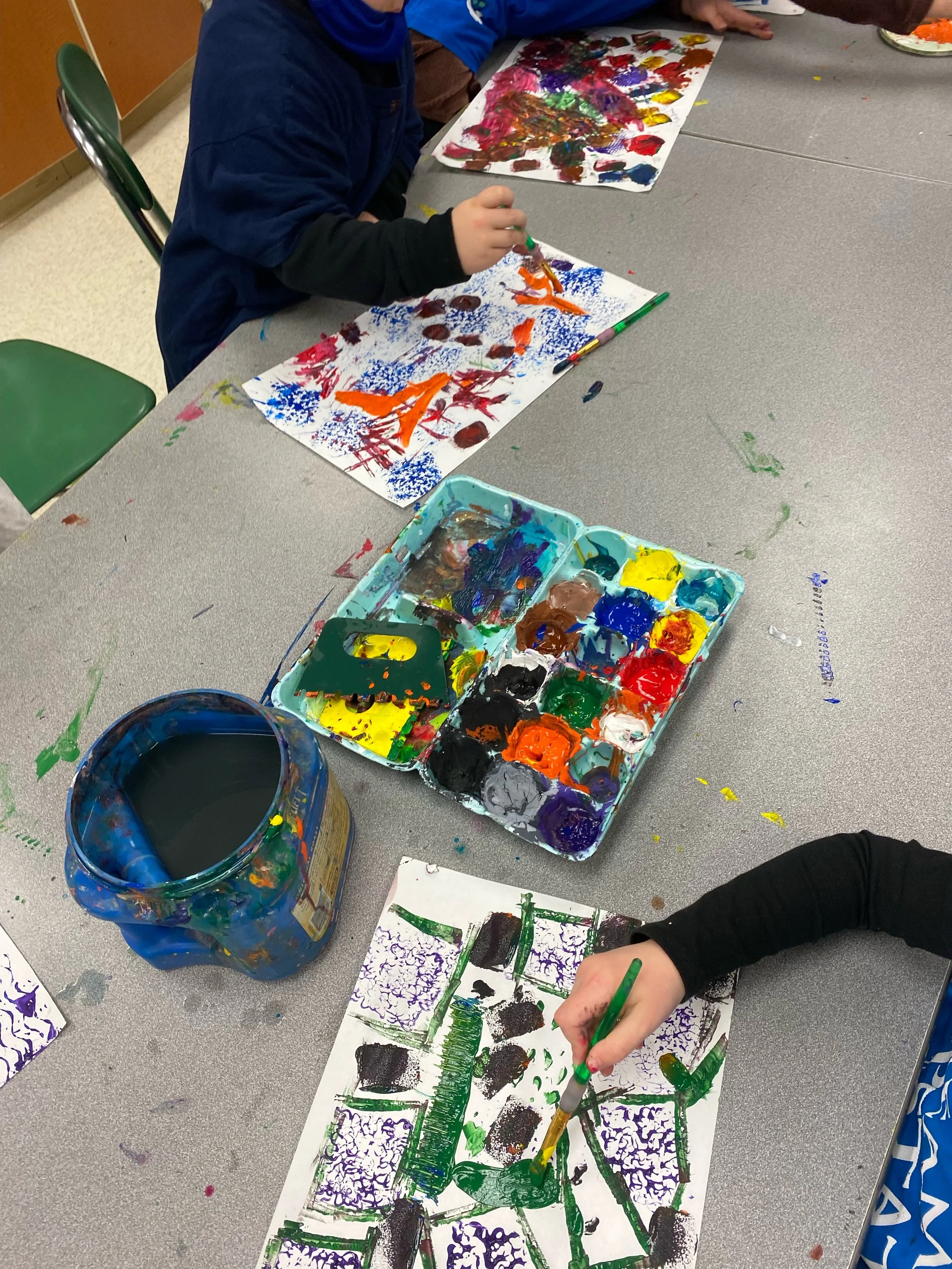
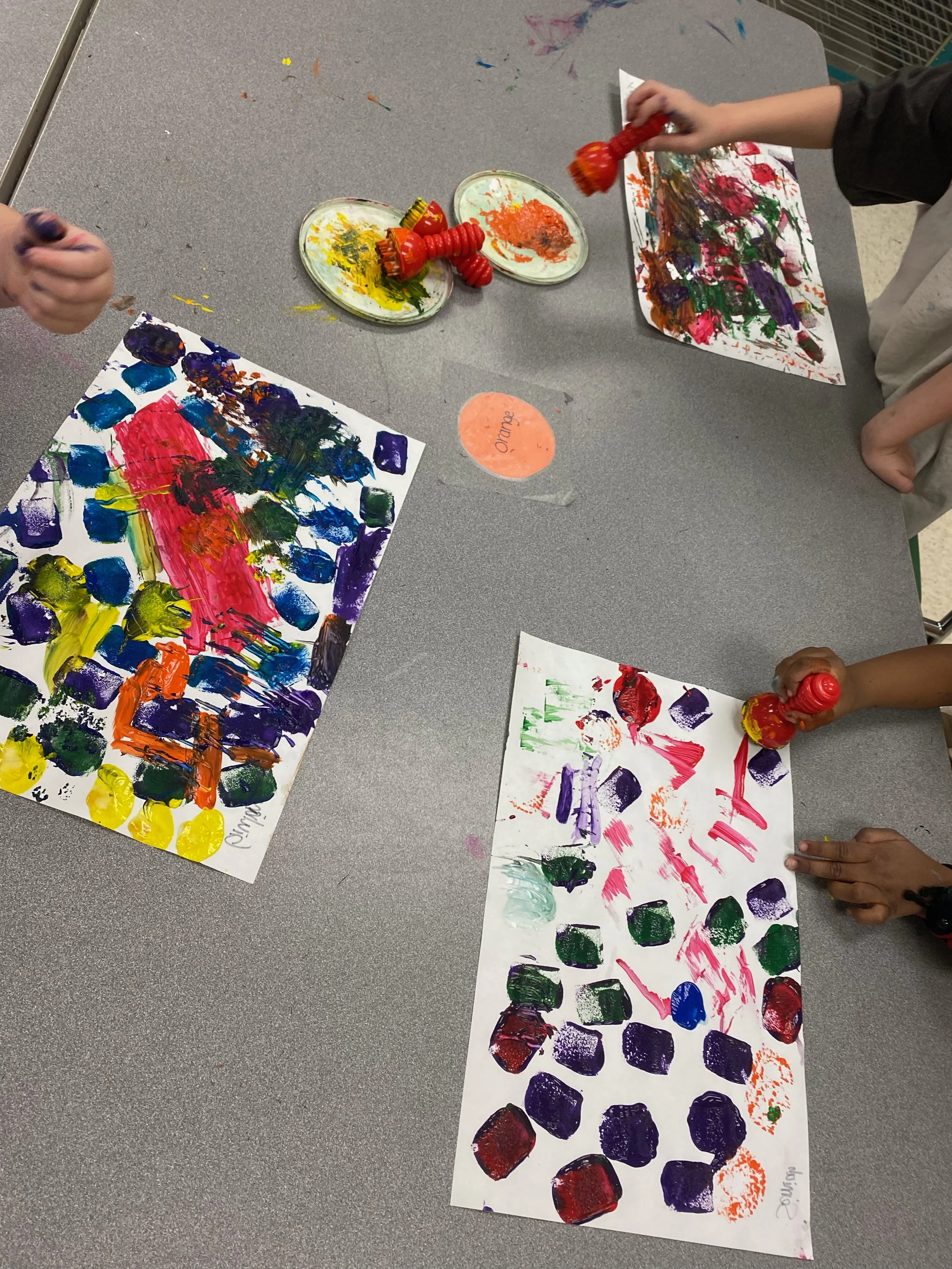
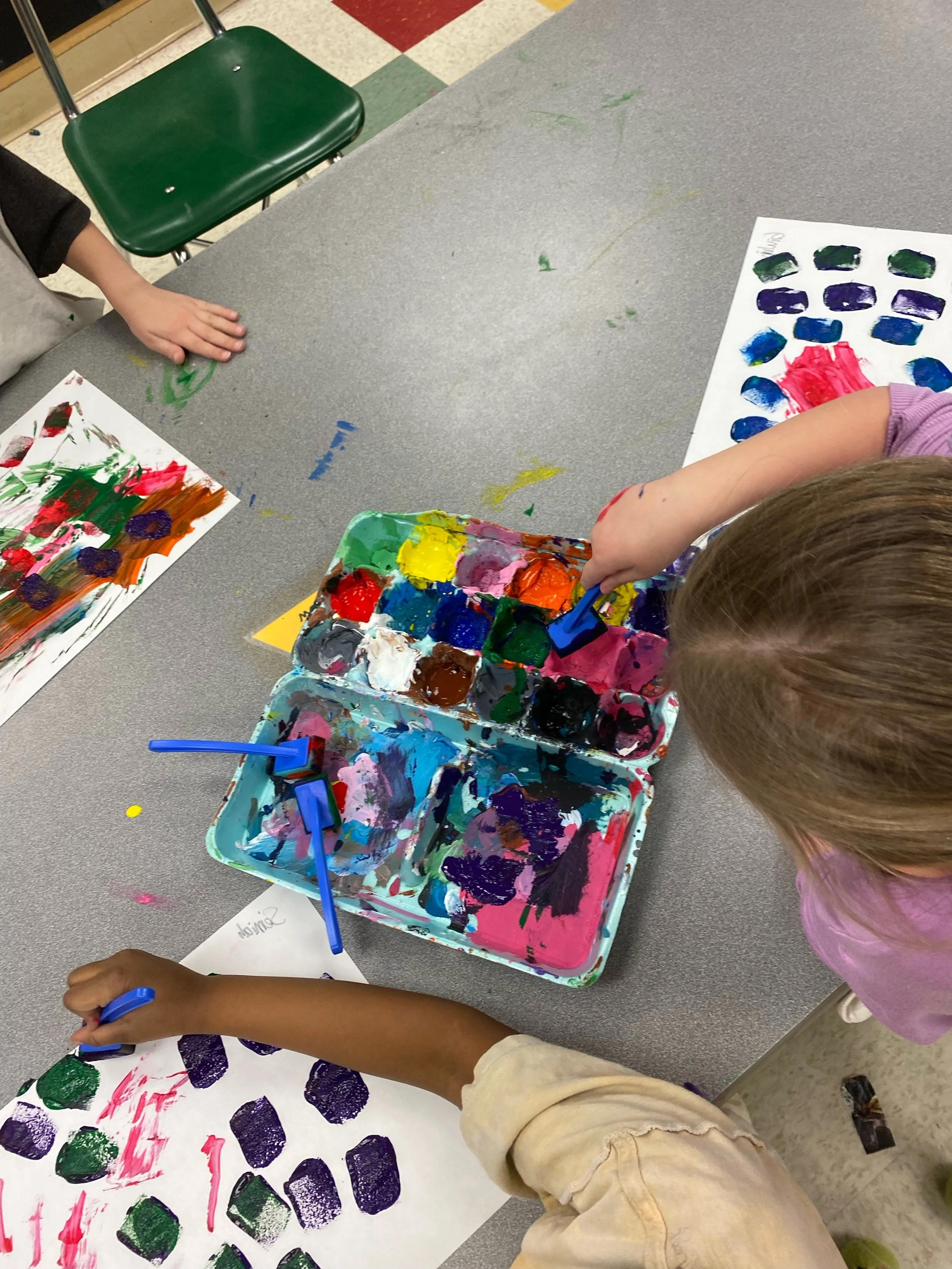
Students will be able to recognize different textures through discussion and experimentation.
Students will be able to use the tools in an appropriate way.
Students will be able to create various textures using multiple tools.
NYS Art Standards
VA:Cr1.1.K - Engage in exploration of imaginative play with materials
VA:Cr2.1.K - Through experimentation, build skills in various media and artmaking approaches
VA:Cr2.2.K - Identify safe art materials, tools, and equipment
CCLS
Math CCLS
K.G. 1 - Identify and describe shapes (squares, circles, triangles, rectangles, hexagons, cubes, cones, cylinders, and spheres).
K.G. 2 - Analyze, compare, create, and compose shapes.
ELA CCLS
W 8 Research to build and present - With guidance and support from adults, recall information from experiences or gather information from provided sources to answer a question.
W 11 Responding to Literature - Create and/or present a poem, dramatization, artwork, or personal response to a particular author or theme studied in class, with support as needed.
SL 1 Comprehension and Collaboration - Participate in collaborative conversations with diverse partners about kindergarten topics and texts with peers and adults in small and larger groups.
SL 3 Comprehension and Collaboration - Ask and answer questions in order to seek help, get information, or clarify something that is not understood.
SL 6 Presentation of Knowledge and Ideas - Speak audibly and express thoughts, feelings, and ideas clearly.
Steps
Powerpoint showing examples of texture, artist examples
Demonstration of how to use the tools at each station
Give students five minutes at each station
Classwide discussion about what textures students created
Modifications
Have a sectioned off piece of paper so the student can put one texture in each box